
Perimenopause: Supporting Your Body Through Change
Monday, 30 March 2026
Perimenopause can arrive quietly... or all at once.
One day, you may notice subtle shifts. Your skin feels different, your energy dips, your mood changes. Perhaps the person you see in the mirror doesn't quite feel like you anymore. While conversations around menopause are becoming more open, understanding the meaning of perimenopause and how it affects you personally can still feel overwhelming.
This stage of life is completely natural, often beginning at a certain age (typically mid-to-late 40s, though it can start earlier), and it brings a range of changes both physically and emotionally. Feeling like yourself again can take time, and that's okay.
At Holmer Park, we believe this is a time to support your body, not push against it.
Rethinking Self-Care
Hormonal changes during perimenopause can affect far more than your cycle. Skin may become drier or more sensitive, sleep can feel disrupted, and things like joint pain or fatigue can appear more frequently. Altogether, it can leave you feeling slightly out of sync with yourself.
There's often pressure to “carry on as normal,” but your body is asking for something different: a little more care, a little more rest, and a little more understanding.
Self-care during this time isn't indulgent, it's essential.
It can help to:
- Calm the nervous system
- Support changing skin needs
- Ease tension and physical discomfort
- Create space to pause and reset
Even setting aside 30 minutes a day for yourself, whether that's movement, rest, or quiet time, can make a real difference.
Small Changes That Can Support You
Supporting your body through perimenopause doesn't have to mean big, overwhelming lifestyle changes. In fact, it's often the small, consistent habits that have the biggest impact.
Gentle movement like walking, stretching, or yoga can help with circulation, stiffness, and mood. It can also ease joint pain, which many women experience more during this time.
Nutrition plays a key role too. Balanced meals with protein, fibre, healthy fats, and vegetables can help support energy, skin health, and overall wellbeing. Some people also explore supplements or vitamin options to support hormonal balance, though it's always best to seek guidance before introducing anything new.
Rest is equally important. Prioritising sleep, allowing downtime, and listening to your body (without guilt!) can help protect your energy levels and reduce overwhelm.
Understanding Changes in Your Skin
One of the more noticeable changes during perimenopause is your skin.
It can suddenly feel unfamiliar; drier, more reactive, or prone to breakouts. Products that once worked perfectly may no longer deliver the same results, which can be frustrating.
This is where taking time to reassess your skincare can really help.
At Holmer Park, our personalised treatments allow your skin to be properly understood as it is now. Rather than guessing or following trends, our therapists tailor each facial to your skin's current needs, helping to restore balance, hydration, and comfort.
Caring for Your Whole Body
Perimenopause isn't just about skin, it's a full-body experience.
From low energy to tension, stress, and emotional fatigue, it can all build up over time. That's why taking a more holistic approach to wellbeing can feel so beneficial.
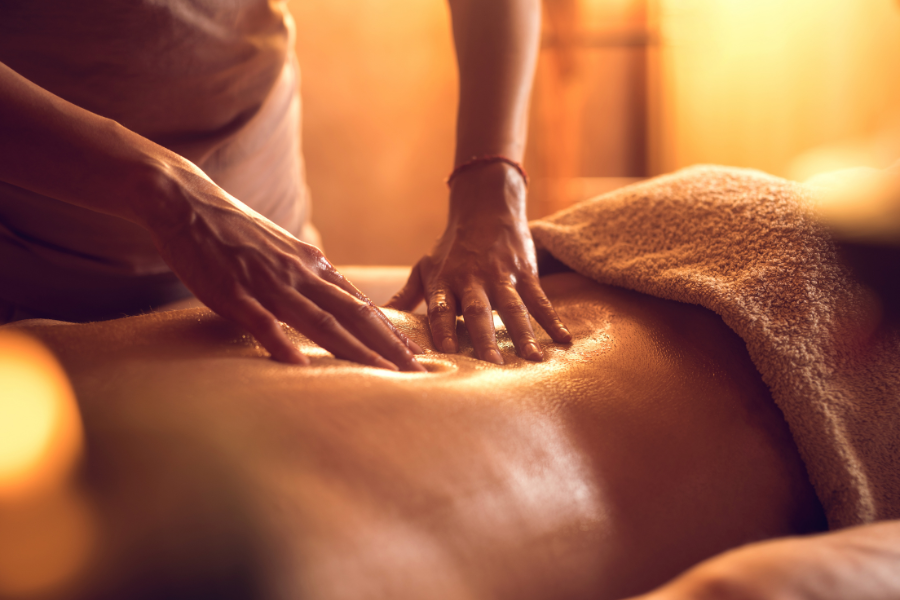
Spa and wellness treatments can support both body and mind during this stage. Gentle massage, soothing techniques, and time to fully relax can help release tension, improve circulation, and leave you feeling more like yourself again.
These moments aren't about escaping life, they're about supporting your body through it.
When to Seek Support
While lifestyle changes can make a meaningful difference, it's important to remember they're not a replacement for medical advice.
If symptoms feel overwhelming, or if you're unsure about what you're experiencing, speaking to a GP or considering a test can help you better understand what's happening in your body and what support is available.
Recognising Yourself Again
Perimenopause is a transition, and like any transition, it deserves care, not criticism. Reconnecting with yourself doesn't come from pushing harder, it comes from being gentler. From listening, adjusting, and allowing your body to lead the way.
Take the time you need. Support yourself where you are now.
You're still you, just evolving.